
When your baby is born, you want to do everything possible to keep them healthy and safe. One of the best ways to protect your baby is through vaccines. Vaccines prevent dangerous diseases and are especially important for premature babies, but they are just as important for full-term babies too.
What Are Vaccines?
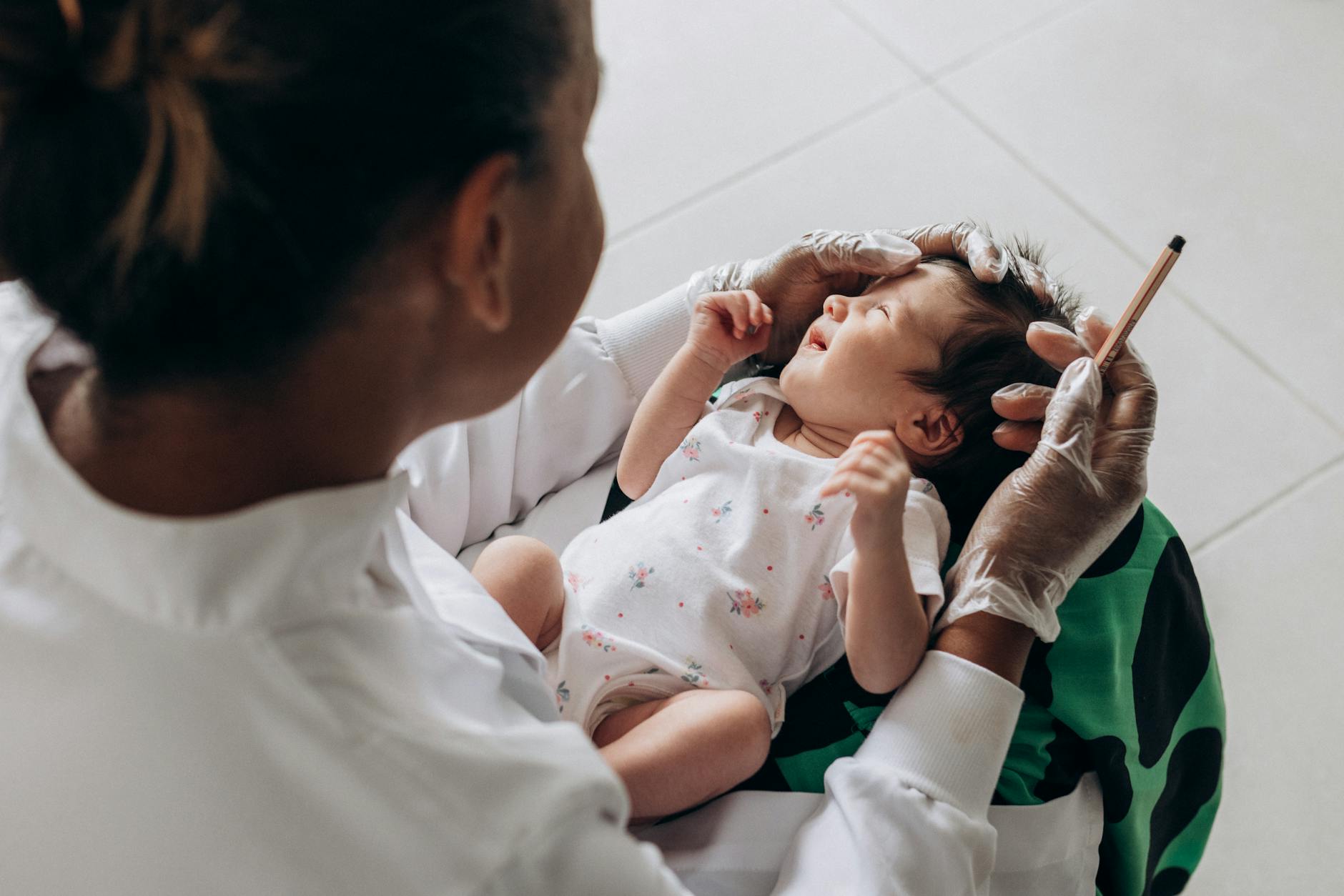
Vaccines are shots that help protect against serious illnesses. They work by training the immune system to fight off infections before they can make your baby sick. Some of the diseases vaccines prevent include:
- Whooping cough (pertussis) – a dangerous cough that makes it hard to breathe
- Flu (influenza) – a virus that can cause severe breathing problems
- RSV (respiratory syncytial virus) – a lung infection that can be especially bad for babies
- Pneumonia – a serious lung infection that can be life-threatening
Are Vaccines Safe for Premature and Full-Term Babies?
Yes! Vaccines are very safe for all babies, whether they are born early or full-term. Doctors and scientists study vaccines carefully to make sure they work well and don’t cause harm. The protection vaccines give far outweighs any risks of mild side effects.
What Are the Side Effects?
Most babies have little to no side effects after getting a vaccine. Some common, mild reactions include:
- A sore leg or arm where the shot was given
- Mild fever or fussiness (this means the immune system is working!)
Serious side effects are extremely rare. The risk of getting a disease without a vaccine is much higher than any risk from the vaccine itself.

Why Are Vaccines Especially Important for Preemies?
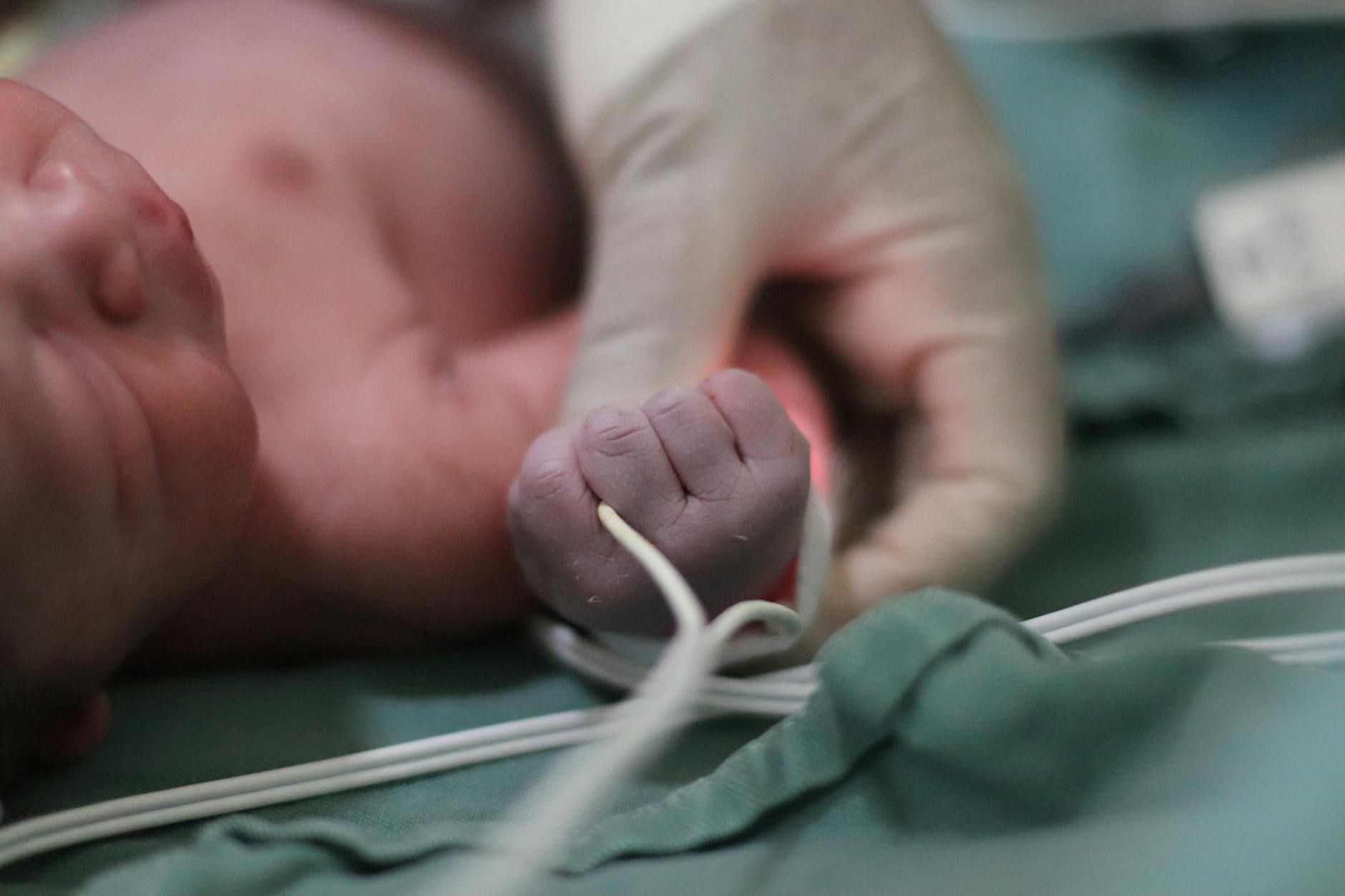
Babies born too early have weaker immune systems because they didn’t have as much time to develop before birth. This makes them more likely to get very sick from infections. Preemies who get sick can have longer hospital stays or need breathing support.
Getting vaccines on time helps protect premature babies from these serious health problems.
Why Are Vaccines Just as Important for Full-Term Babies?
Even if your baby was born full-term and healthy, they still need vaccines to stay protected from deadly diseases. Full-term babies can also catch illnesses like whooping cough, measles, and flu, which can be severe—even in healthy babies.
Vaccinating all babies helps stop the spread of diseases in the community. When more babies and children are vaccinated, fewer people get sick, and newborns who are too young for some vaccines stay safer.
When Should Babies Get Their Vaccines?
Both preemies and full-term babies should get their vaccines at the age, based on their birth date (not their due date). The only exception is the Hepatitis B vaccine, which may be delayed in very small preemies. Your doctor will guide you through the best schedule for your baby.
How Can Parents Help?
- Follow the recommended vaccine schedule to protect your baby as early as possible.
- Ask your doctor any questions you have about vaccines—they are happy to help!
- Make sure family members are vaccinated, especially for flu and whooping cough, to protect your baby from exposure.
Recommended Vaccine Schedule:
To keep your kids healthy, follow the American Academy of Pediatrics recommended vaccine schedule, which were updated in August 2025.
The Bottom Line
Vaccines save lives and protect both preemies and full-term babies from dangerous diseases. Getting your baby vaccinated on time is one of the best things you can do to help them grow up healthy and strong. If you have any concerns, talk to your baby’s doctor—they can give you the facts and reassurance you need!

 NIC-TIONARY