
When a baby is born, most begin breathing on their own and adapt quickly to life outside the womb. However, about 10% of newborns require some help to start breathing, and less than 1% will need extensive resuscitation. If your baby, whether they are pre-term, term, or post-term, needs help right after birth, knowing what to expect during neonatal resuscitation can be both reassuring and empowering as a parent.
What Is Neonatal Resuscitation?
Neonatal resuscitation is the set of life-saving steps used to help a baby who is not breathing well or has a slow heart rate after birth. In the United States, healthcare workers involved in the care of a newborn are required to be certified with the Neonatal Resuscitation Program. The goal is to support the baby’s breathing, heart function, and temperature until they can stabilize and adjust on their own or with the help of the NICU Team.

Resuscitation takes place immediately after delivery, either in the delivery room or operating room. A specialized team of doctors, nurses, and respiratory therapists trained in neonatal resuscitation will be present if the baby is known to be at high risk; they may also be called urgently if the need arises unexpectedly.
Who Performs Neonatal Resuscitation?
Resuscitation is typically carried out by members of the neonatal team, which may include:
- A neonatologist or pediatrician
- Neonatal nurse practitioners
- Neonatal nurses
- Respiratory therapists
If the baby is born in a hospital with a Neonatal Intensive Care Unit (NICU), the NICU team may be present at delivery, especially for high-risk births such as preterm labor, cesarean deliveries, or when fetal distress is suspected.
What Happens During Resuscitation?
The steps taken during neonatal resuscitation depend on how the baby responds after birth. Here’s a general progression of what may happen:
- Initial Steps
- The baby is placed under a warmer to maintain body temperature.
- The team quickly dries and stimulates the baby to encourage breathing.
- Gentle suctioning may be performed if there is mucus or fluid in the mouth or nose.
- The baby’s heart rate, breathing effort, and color are assessed.
- Assisted Breathing
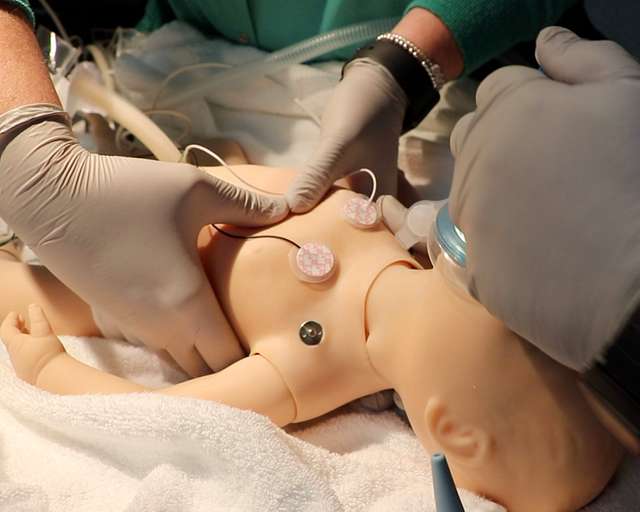
- If the baby does not start breathing or has a low heart rate, the team may provide positive pressure ventilation (PPV) using a mask and bag or machine to help inflate the lungs.
- Oxygen may be given based on the baby’s oxygen levels, which are continuously monitored using a pulse oximeter.
- Chest Compressions and Advanced Support
- If the baby’s heart rate remains below 60 beats per minute despite effective breathing support, chest compressions may be started.
- In rare cases, the team may give medications such as epinephrine or place a breathing tube (intubation) to better support the baby’s airway and lungs.
- Stabilization and Transition to NICU
- Once the baby is stable, they may be handed to the family for bonding or transferred to the NICU for closer monitoring and additional support.
- If the baby remains critically ill, they may stay on a ventilator or other support systems in the NICU.
Can I Be Present During Resuscitation?
In many circumstances, the resuscitation of a baby happens while the birthing parent is still being cared for by the midwife or their doctor. Nonetheless, a support person may be allowed to remain with the baby depending on the situation and space constraints. While it may be difficult to watch a resuscitation, parents are often reassured by seeing the expertise and calm of the team caring for their baby. If you’re not able to be present, the care team will provide updates as soon as possible.
After the Resuscitation
- A member of the neonatal team will explain what happened and what the next steps are.
- Your baby may undergo tests like blood work, chest x-rays, or brain imaging depending on the situation.
- You will have the opportunity to see and touch your baby as soon as it’s safe.
- Emotional support, including social workers or chaplains, is often available for families going through a difficult delivery.
Final Thoughts
Neonatal resuscitation is a highly skilled and well-practiced response to newborns who need extra help transitioning to life outside the womb. Most babies who receive resuscitation go on to do very well, especially with early intervention and continued support. If your baby needed resuscitation, don’t hesitate to ask the team for information, support, and ways to be involved in your baby’s care.
 NIC-TIONARY